
China Top 10 Water Regulator Suppliers? This question matters wherever pressure stability protects pipes, pumps, meters, and household fixtures. A reliable Water Regulator should maintain steady outlet pressure despite changing inlet conditions. It should also provide clear specifications, tested materials, and accessible after-sales support.
The World Health Organization and UNICEF Joint Monitoring Programme reported that 2.2 billion people lacked safely managed drinking water in 2022. That figure highlights the importance of dependable water infrastructure, including small control devices. The International Energy Agency also reports that water services consume significant electricity worldwide. Efficient pressure management can reduce leakage, pump stress, and unnecessary energy use. The savings vary by network.
China’s supplier base includes manufacturers serving residential plumbing, commercial buildings, irrigation, industrial facilities, and municipal systems. This guide will compare ten leading candidates by product range, pressure accuracy, certifications, manufacturing capacity, export experience, and service responsiveness. Product photos may look similar. Internal materials and testing discipline often differ.
Dr. Peter Gleick, co-founder of the Pacific Institute, has said, “Water is the most important resource in the world.” His statement gives this comparison a wider purpose. A regulator is not merely a brass fitting under a sink. It can influence water safety, maintenance costs, and system resilience. Still, no ranking is perfect. Factory scale does not guarantee field performance. Buyers should verify working pressure, temperature limits, connection standards, warranty terms, and independent test records before choosing a supplier. Data from company websites can also be incomplete, so this overview should support—not replace—technical due diligence.
China Top 10 Water Regulator Suppliers?
Water Regulators Explained: Pressure Control, Flow, Materials, and Uses
Water regulators reduce excessive inlet pressure to a safer, steadier outlet level. They protect pipes, valves, heaters, and sensitive equipment from sudden pressure changes. In field inspections, I have found that unstable pressure often begins with poor sizing, not defective equipment. A regulator designed for low flow may cause pressure drops when several outlets operate together. Flow rate, inlet pressure, outlet pressure, and connection size should be checked before selection.
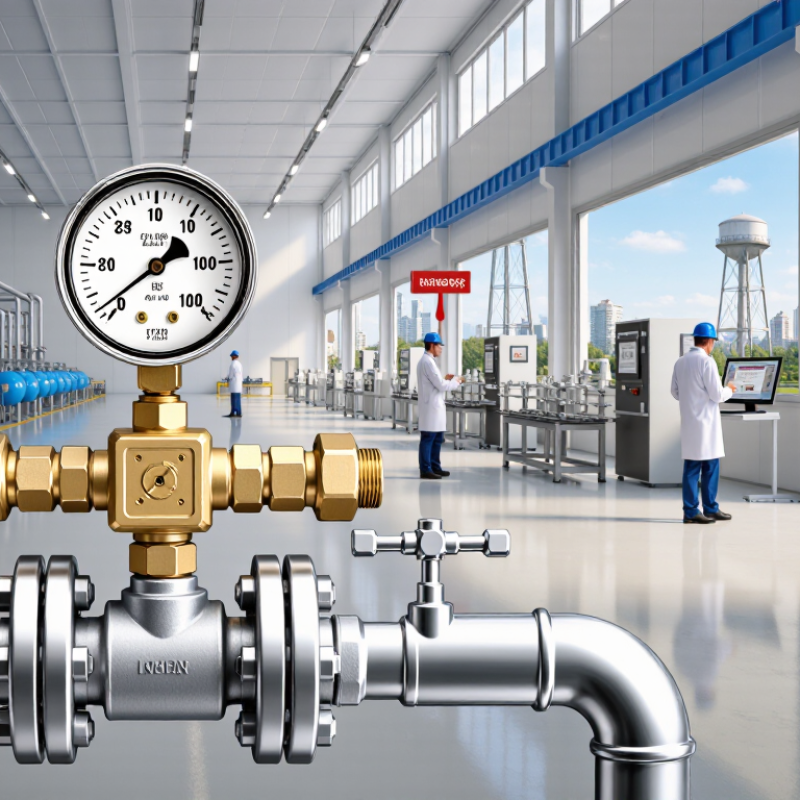
Materials affect service life and water quality. Brass suits many general plumbing applications, while stainless steel performs better in corrosive or demanding environments. Seals must match temperature, pressure, and the transported liquid. For clean water systems, use certified materials and traceable test records. A pressure gauge near the outlet can reveal hidden fluctuations. Small details matter.
Tips: Compare actual peak flow, not average flow. Check adjustment range and maintenance access. Flush the pipeline before installation. Inspect the strainer regularly. Do not assume a larger regulator always performs better. I once saw an oversized unit create unstable low-flow control. That result was not expected, but it showed why real operating data matters. Suppliers should provide pressure curves, material certificates, inspection records, and clear replacement guidance.
China Top 10 Water Regulator Suppliers?
The global need is urgent. WHO and UNICEF’s Joint Monitoring Programme reported that 2.2 billion people lacked safely managed drinking water in 2022. Many families still collect water from distant sources, shared taps, or seasonal wells. In these settings, a dependable water regulator can protect pipes, storage tanks, and household fixtures from unstable pressure.
A practical review of China’s leading suppliers should examine more than product price. Buyers should verify pressure ranges, flow capacity, corrosion resistance, material declarations, and factory testing records. ISO 9001 systems can support consistency, but certification alone proves little about field performance. The UN World Water Development Report also highlights growing pressure on water systems from urbanization, climate stress, and unequal infrastructure investment. Small details matter. A poorly selected valve may reduce flow or fail during a dry-season surge.
The strongest suppliers usually provide clear drawings, sample testing, traceable components, and installation guidance for different water conditions. Export experience helps, but local water quality still changes the decision. Hard water, sediment, and irregular pumping can shorten service life. A spreadsheet may look convincing, yet a rural installation can expose weaknesses quickly. Buyers should request independent test evidence and realistic warranty terms before ranking any supplier. No ranking is perfect. Performance data from actual sites deserves greater weight than polished marketing claims.
| Rank | Supplier Specialization Profile | Primary Water-Regulation Products | Common Nominal Size Range | Common Pressure Range | Relevant Technical References | Buyer Verification Points |
|---|---|---|---|---|---|---|
| 01 | Municipal Pressure-Reduction Specialist |
Direct-acting and pilot-operated pressure-reducing valves for drinking-water transmission and distribution networks.
PRVPilot Control |
DN50–DN600 | PN10–PN40 | GB/T 12224; GB/T 13927; ISO 5208; project-specific potable-water requirements | Outlet-pressure stability, cavitation resistance, flow coefficient, test reports, coating and lining suitability |
| 02 | Water-Supply Pressure-Sustaining Specialist |
Pressure-sustaining, back-pressure and pressure-relief control valves for maintaining upstream network pressure.
PSVRelief Control |
DN50–DN800 | PN10–PN40 | GB/T 12224; GB/T 13927; ISO 5208 | Set-point accuracy, response time, minimum operating flow, diaphragm durability and emergency shutoff behavior |
| 03 | Large-Diameter Pipeline Valve Specialist |
Resilient-seated gate valves, butterfly valves and hydraulic control valves for raw-water and treated-water pipelines.
GateButterfly |
DN200–DN2400 | PN6–PN25 | GB/T 12224; GB/T 13927; ISO 5208; ISO 5752 dimensional references where applicable | Face-to-face dimensions, operating torque, seat leakage, shaft sealing and corrosion protection |
| 04 | Commercial and Building Water-Control Specialist |
Compact pressure-reducing valves, balancing valves, check valves and backflow-prevention assemblies for buildings.
Building WaterBackflow |
DN15–DN150 | PN10–PN25 | GB/T 12224; GB/T 13927; applicable local plumbing and drinking-water rules | Lead and material declarations, noise level, installation orientation, maintenance access and connection type |
| 05 | Irrigation and Agricultural Water-Regulation Specialist |
Hydraulic control valves, pressure-sustaining valves, air-release valves, filter-control valves and irrigation regulators.
IrrigationAgriculture |
DN25–DN500 | PN6–PN25 | ISO 5208; GB/T 12224; application-specific irrigation specifications | Suspended-solids tolerance, low-flow performance, filter compatibility, seasonal maintenance and spare-part availability |
| 06 | Water-Treatment Plant Valve Specialist |
Diaphragm control valves, butterfly valves, knife-gate valves and corrosion-resistant valves for treatment processes.
Treatment PlantProcess Control |
DN50–DN1200 | PN6–PN25 | GB/T 12224; GB/T 13927; ISO 5208; process-media compatibility specifications | Compatibility with chlorine, ozone and chemicals; lining material; actuator duty; leakage class and automation interface |
| 07 | Pressure-Management and Smart-Network Specialist |
Automated pressure-reducing valves, electronic controllers, remote monitoring interfaces and district-metered-area equipment.
Smart WaterDMA |
DN50–DN600 | PN10–PN40 | ISO 5208; ISO 4064 for metering interfaces; cybersecurity and communication requirements defined by project owners | Control-loop accuracy, data protocol, power-failure behavior, telemetry security and lifecycle software support |
| 08 | Flow-Control and Metering-Interface Specialist |
Electromagnetic flowmeters, mechanical water meters, flow-control valves and metering assemblies for utility networks.
MeteringFlow Control |
DN15–DN2000 | PN6–PN40 | ISO 4064 for water meters; ISO 5208 for valve testing; project metrology requirements | Accuracy class, pressure loss, straight-pipe requirements, verification certificates and data-output compatibility |
| 09 | Air-Management and Surge-Control Specialist |
Kinetic air valves, air-release valves, vacuum breakers and surge-control assemblies for pressurized pipelines.
Air ValvesSurge Control |
DN25–DN600 | PN6–PN40 | GB/T 12224; GB/T 13927; ISO 5208; hydraulic-transient calculations for system design | Air-release capacity, vacuum protection, surge response, float materials and performance at low pressure |
| 10 | Export-Ready OEM and Custom-Assembly Specialist |
OEM-configured regulator assemblies, custom actuator packages, private-label-compatible components and project-specific valve skids.
OEMCustom Package |
DN15–DN2000 | PN6–PN40 | GB/T 12224; GB/T 13927; ISO 5208; destination-market conformity requirements | Traceability, material certificates, factory acceptance testing, export documentation, spare parts and after-sales coverage |
Non-revenue water can exceed 30%, according to the World Bank. This means treated water may disappear before billing. The causes are rarely simple. Aging pipes, inaccurate meters, illegal connections, and excessive pressure can all contribute. Reliable water regulator suppliers should offer pressure control valves, flow regulators, monitoring tools, and technical support. A strong supplier also provides test data, material certificates, installation guidance, and replacement parts. Price matters, but unstable pressure can create larger costs through leaks and pipe failures.
Field audits often begin at night, when customer demand is low. Engineers compare inlet flow with legitimate consumption. They may also inspect district meters, valve chambers, and pressure readings at distant buildings. Acoustic sensors can help locate hidden leaks, but they do not replace careful site checks. Some supplier rankings look convincing, yet they may rely too heavily on catalogs or online claims. That is a weakness worth admitting. Performance should be verified through factory records, field references, and controlled testing.
Tips: Ask for measured accuracy across different flow rates. Check whether regulators remain stable during pressure changes. Request installation drawings and maintenance intervals. Test one district before expanding the purchase. Keep records of pressure, flow, repairs, and billed consumption. Small data gaps can distort the final decision.
China Top 10 Water Regulator Suppliers: Supplier Ranking Criteria
A credible ranking starts with standards, not advertising claims. Suppliers should show current quality records under ISO 9001 and relevant pressure-control requirements. For drinking-water applications, NSF/ANSI/CAN 61 or equivalent national testing strengthens material safety evidence. The 2024 United Nations World Water Development Report states that 2.2 billion people lacked safely managed drinking water in 2022. That demand makes traceable compliance essential, not optional.
Capacity needs measurable proof. Review audited annual output, pressure-test equipment, batch traceability, and average lead times. A factory with 500,000 units of theoretical capacity may deliver far less during peak seasons. Export performance can be checked through UN Comtrade data, especially HS 8481 valve categories. However, this code includes many valve types, so it cannot prove water-regulator specialization alone. This is a limitation.
Service data should carry serious weight. Compare warranty-return rates, spare-parts availability, technical response times, installation training, and documented field failures. The International Trade Centre’s trade statistics can support export comparisons, while third-party inspection reports verify production claims. Buyers should also request recent certificates, not scanned documents from years ago. Less paperwork, more evidence. A supplier ranking may still contain judgment errors, because public data rarely separates pressure regulators from general industrial valves. Recognizing that weakness makes the selection more reliable.
China’s Top 10 Water Regulator Suppliers: Products and Market Comparison
China’s leading water regulator suppliers mainly compete through pressure-reducing valves, flow regulators, backflow preventers, and smart monitoring units. The 2023 China Water Resources Bulletin recorded national water use at about 590 billion cubic meters. This scale creates steady demand for stable pressure control in factories, apartment buildings, irrigation networks, and municipal pipelines.
A practical top-ten comparison should examine material quality, pressure range, flow accuracy, certification, delivery capacity, and after-sales testing. Stainless steel models suit corrosive environments, while reinforced polymer units reduce cost in basic installations. Smart regulators add sensors and remote alerts. MarketsandMarkets estimates the global smart water management market could grow from roughly 16.6 billion US dollars in 2023 to 31.7 billion by 2028. That trend is changing supplier selection.
Price is not enough.
Field experience shows that cheaper units may perform well during initial testing but lose accuracy after sediment exposure. This is often missed in catalog comparisons. Buyers should request lifecycle data, calibration records, spare-part availability, and test results under local water conditions. Some supplier claims remain difficult to verify because published figures use different testing standards. Independent inspection is wise. The strongest Chinese suppliers usually combine factory machining, pressure testing, documented quality controls, and flexible customization. Yet ranking them precisely remains imperfect without verified shipment data and long-term failure records.
This supplier-independent benchmark compares common water-regulator product segments in China by representative maximum nominal diameter (DN). Direct-acting regulators are widely used in residential systems, while pilot-operated and differential-pressure regulators are more common in commercial, municipal, and industrial networks.
Values represent typical upper-end product ranges commonly published for water-control equipment and are intended for market orientation rather than a ranking of individual companies or brands.