How to Choose the Right Prv Valve for Your Needs?
Choosing the right Prv Valve is crucial for optimal system performance. A well-functioning pressure relief valve ensures the safety and efficiency of your plumbing systems. However, many consumers overlook its importance, leading to costly mistakes.
When selecting a Prv Valve, consider your specific requirements. Factors such as pressure settings, flow rate, and installation are vital. Additionally, understanding the materials and construction quality can greatly influence durability. It’s essential to evaluate each option based on your actual needs.
Many options exist in today’s market, which can overwhelm buyers. Some may rush their decision and regret it later. Always prioritize reliability and accuracy when making your choice. A well-informed decision can enhance system longevity and prevent failures. Evaluating multiple brands and reading user reviews can provide insight into their performance.
Understanding the Purpose of PRV Valves in Plumbing Systems
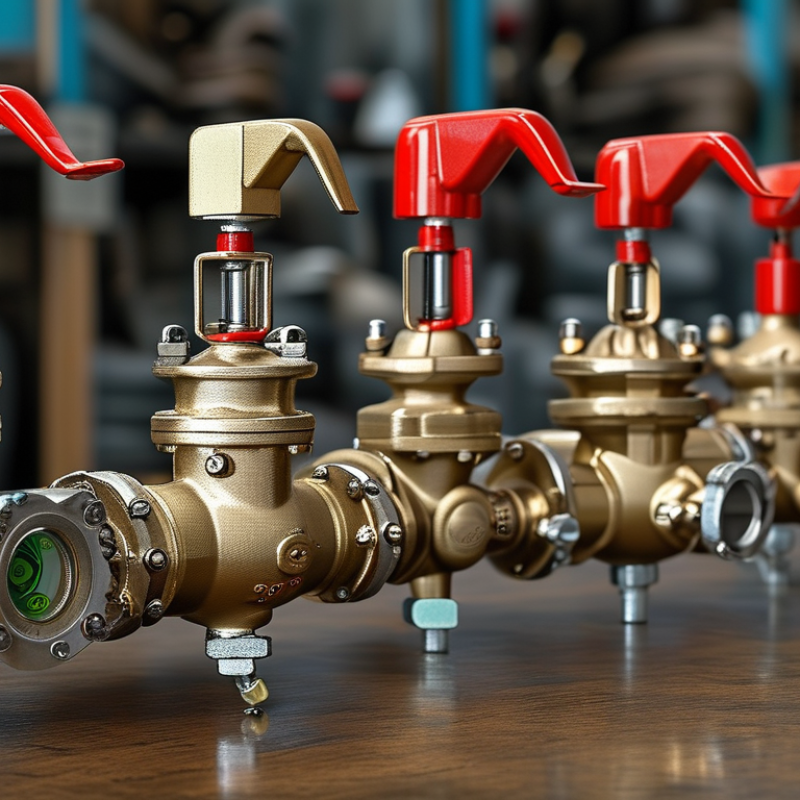
PRV valves, or pressure relief valves, play a crucial role in plumbing systems. Their primary purpose is to manage pressure levels and prevent system failures. When pressure exceeds a certain threshold, these valves automatically open to release excess pressure. This mechanism helps protect pipes, fixtures, and appliances from potential damage. Understanding how these valves operate is essential for maintaining a safe plumbing system.
Choosing the right PRV valve requires considering various factors. The size of the valve must match your plumbing system's specifications. Additionally, the pressure settings of the valve should align with your system's needs to ensure optimal performance. Not every installation is the same, and sometimes manufacturers provide unclear information. Users may feel uncertain about pressure levels or sizing. It’s crucial to evaluate your system's pressure requirements carefully, as mistakes can lead to leaks or even ruptures.
Regular maintenance and checks are also necessary. Over time, PRVs can wear down or become less effective. Neglecting these components may result in unexpected pressure surges. Users should reflect on their system's performance and schedule routine inspections. Keeping an eye on these valves ensures safe operation and longevity of plumbing systems.
Understanding the Pressure Relief Valve (PRV) Selection
Identifying the Right Specifications for Your PRV Needs
When selecting a Pressure Relief Valve (PRV), it's essential to understand your specific requirements. Start by assessing the pressure range and flow rate relevant to your system. This choice directly impacts safety and efficiency. Each application has its ideal specifications. For example, a valve with too low a pressure setting may not adequately protect your equipment.
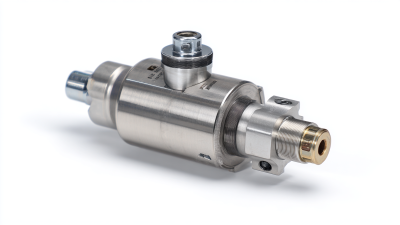
Another critical specification is the construction material. The environment might expose the valve to corrosive substances or extreme temperatures. Brass, stainless steel, and plastic are typical materials, each offering unique advantages. Consider your operating conditions carefully to ensure durability and reliability. If the chosen material does not match your needs, you may face unexpected failures.
Additionally, the sizing of the valve cannot be overlooked. A valve that is too small may restrict flow, whereas an oversized valve can lead to inefficient operation. Calculating the appropriate size may require professional input. It’s worth reflecting on past experiences—have you faced issues with valve performance? Learning from these can be invaluable when making your choice.
Evaluating Material Options for Durability and Performance
When selecting a PRV valve, the material used is crucial. Stainless steel is often favored for its strength and resistance to corrosion. This material can endure high pressures and extreme temperatures. However, it may not be the best choice for every application. For environments with less pressure, plastic options could offer a lighter and more economical alternative. They are resistant to many chemicals, which adds to their versatility.
Evaluating the durability of materials is essential. Each option has its pros and cons. For example, brass valves are reliable but can corrode over time, particularly in humid conditions. Plastic valves might have limitations regarding temperature but offer adequate performance for residential needs. Users should assess the specific conditions their valves will face. Reflecting on experiences with different materials can greatly inform future choices.
In practice, it’s essential to consider maintenance. Some materials require more care than others. Regular checks can help identify potential issues early. Balancing cost with performance is key. Choosing the right material is not always straightforward. Decisions should be informed by both current needs and potential future demands.
How to Choose the Right Prv Valve for Your Needs?
| Material |
Durability (Years) |
Temperature Resistance (°F) |
corrosion Resistance |
Common Applications |
| Bronze |
10-20 |
200 |
Excellent |
Water Systems |
| Stainless Steel |
15-30 |
400 |
Very Good |
Food Processing |
| Plastic (PVC) |
5-10 |
140 |
Good |
Irrigation |
| Bronze |
10-20 |
200 |
Excellent |
Construction |
| Ductile Iron |
20-40 |
300 |
Good |
Heavy Industry |
Assessing Pressure Range and Adjustment Features
When choosing a pressure relief valve (PRV), assessing the pressure range is crucial.
The correct pressure range ensures the valve operates effectively under various conditions.
If the range is too low, the valve may open too early, leading to system inefficiencies.
On the other hand, if it’s too high, it may not activate when needed.
Adjustment features also play a significant role in selecting the right PRV.
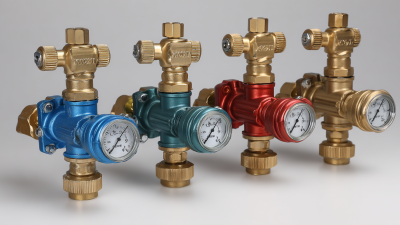
Many valves allow users to fine-tune their settings. A simple dial may control the opening pressure.
However, not all adjustments provide the same precision. Some valves may require tools for adjustments,
while others offer user-friendly designs. This variability can impact maintenance efforts.
It’s essential to reflect on your specific applications. Different industries may have unique requirements.
Regular checks can also reveal if your valve remains functional over time.
An improperly selected PRV can lead to costly repairs or worse, safety hazards.
Understanding your needs is a step towards reliable operation.
Installing and Maintaining Your PRV Valve for Optimal Functionality
Proper installation and maintenance of your PRV valve are crucial for its optimal performance. When installing, ensure the valve is in a location that is easily accessible. This facilitates routine checks. According to industry reports, over 30% of pressure-related failures stem from improper installation. A correct setup minimizes risks and prolongs the valve's lifespan.
Regular maintenance is essential too. Schedule periodic inspections every six months. Look for leaks or any signs of corrosion. Interestingly, data indicates that routine maintenance can extend the lifespan of your PRV valve by up to 50%. Clean the valve as per manufacturer guidelines, but remember that not all cleaning methods are effective. Avoid harsh chemicals that may damage components.
Pay attention to the pressure settings. Adjust them should you notice irregular behavior. Failing to do so can lead to costly repairs. Moreover, keeping a record of maintenance activities can help identify patterns over time. It also provides insight into any recurring issues. Understanding these details can empower you to make informed decisions about your plumbing system.