How to Choose and Install a Water Pressure Regulator Valve for Your Home
When it comes to ensuring the safety and efficiency of your home's plumbing system, one crucial component is often overlooked: the Water Pressure Regulator Valve. According to the Plumbing Manufacturers International (PMI), improper water pressure can lead to a myriad of plumbing issues, including leaks, burst pipes, and increased water bills. A study conducted by the American Society of Plumbing Engineers (ASPE) revealed that homes with unregulated water pressure face a 25% increase in plumbing-related maintenance costs. Therefore, understanding how to choose and install a Water Pressure Regulator Valve is vital for every homeowner.
As industry expert Dr. Emily Sanderson, a renowned plumbing consultant, emphasizes, "A properly installed Water Pressure Regulator Valve not only protects your plumbing system but also promotes water conservation." Her insights highlight the importance of not only selecting the right valve but also ensuring it is installed correctly to maximize its effectiveness. An optimized water pressure not only maintains the structural integrity of your plumbing but also contributes to sustainable water usage in your home. This introduction aims to guide homeowners through the essential steps of choosing and installing a Water Pressure Regulator Valve, ensuring a long-lasting and efficient plumbing system.
Understanding Water Pressure in Residential Plumbing Systems
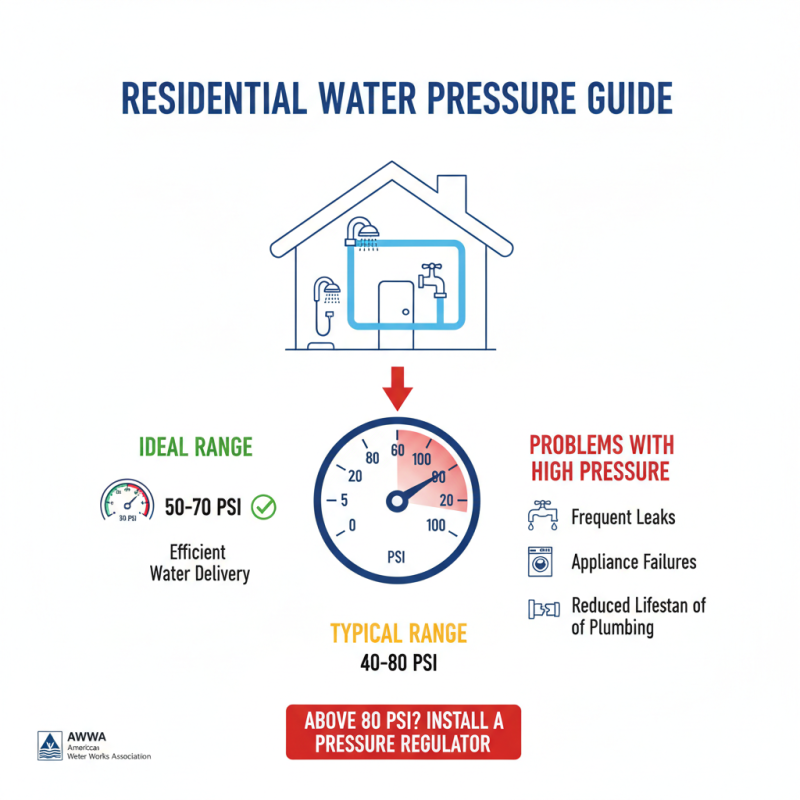
Understanding the water pressure in residential plumbing systems is crucial for maintaining efficient water delivery throughout a home. Typical residential water pressure ranges from 40 to 80 psi (pounds per square inch), with most homes ideally operating between 50 and 70 psi for optimal performance. According to the American Water Works Association, excessively high water pressure can lead to frequent leaks, appliance failures, and an overall reduction in the lifespan of plumbing fixtures. A pressure reading above 80 psi is often deemed problematic and can necessitate the installation of a pressure regulator.
High water pressure poses risks not only to plumbing systems but also to safety and comfort. Studies show that high pressure can result in increased water usage, leading to higher utility bills. For instance, a household operating at a pressure of 100 psi can use significantly more water than one at 60 psi, impacting overall water conservation efforts. Additionally, pressure surges can contribute to a phenomenon known as "water hammer," which may cause pipes to rattle and possibly break. Thus, understanding one’s water pressure is essential for homeowners to make informed decisions regarding the installation of water pressure regulator valves to maintain a balanced plumbing system.
Identifying the Need for a Water Pressure Regulator Valve
A water pressure regulator valve is essential for maintaining optimal water pressure in residential plumbing systems. Many households may not realize that the average water pressure fluctuates between 40-80 psi, according to the American Society of Plumbing Engineers. High water pressure can lead to a range of issues, including pipe leaks, appliance malfunctions, and increased water bills. In fact, studies indicate that homes with a water pressure exceeding 80 psi can suffer up to a 50% increase in maintenance costs due to wear and tear on plumbing systems.
Identifying the need for a water pressure regulator valve involves observing various signs in your home. If you experience frequent bursts or leaks in pipes, it may be an indication of excessive water pressure. Additionally, if fixtures such as showerheads or faucets frequently sputter or create loud noises, these are often symptoms of pressure-related issues. Experts recommend homeowners perform regular pressure checks to ensure levels remain within the safe range. The use of a pressure gauge is advised, as it provides an accurate reading of your home’s water pressure. If readings consistently exceed 80 psi, it is prudent to consider the installation of a water pressure regulator valve to safeguard your plumbing system and enhance its longevity.
Selecting the Right Size and Type of Water Pressure Regulator
Selecting the right size and type of water pressure regulator valve is critical for optimizing water flow while protecting your home's plumbing system. A water pressure regulator works by reducing the incoming water pressure from the main supply, which commonly operates between 40 to 80 PSI. According to the American Society of Plumbing Engineers, the ideal residential water pressure is typically around 50-70 PSI. When choosing a regulator, homeowners must consider both the flow rate and the size of the valve. Most residential systems perform best with a valve that matches the size of the incoming pipe, usually either ¾ inch or 1 inch in diameter.
Moreover, understanding the type of regulator is equally essential. There are mainly two types of regulators: adjustable and non-adjustable. Adjustable regulators allow homeowners to customize the pressure settings based on their preference or system requirements, while non-adjustable regulators offer a fixed pressure setting, generally preset at around 50 PSI. Industry data shows that inadequate regulation can lead to issues such as pipe bursts or excessive wear on fixtures, costing homeowners a significant amount in repairs and water bills. Therefore, accurately sizing and selecting the appropriate type of water pressure regulator is crucial for maintaining a balance between efficient water delivery and plumbing safety in your home.
Step-by-Step Guide to Installing a Water Pressure Regulator Valve
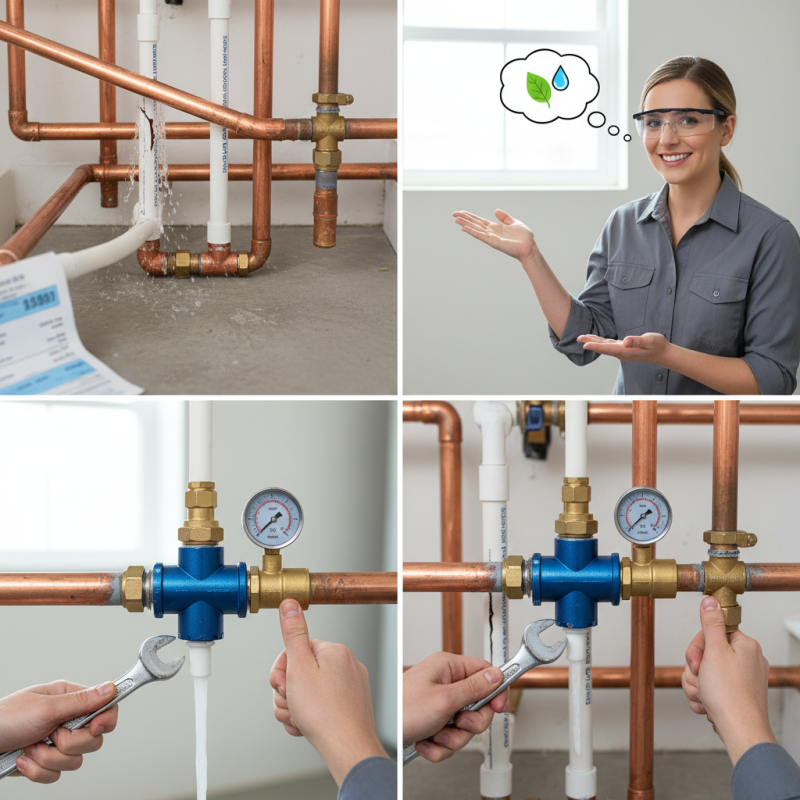
Installing a water pressure regulator valve is a crucial task that can help maintain consistent water pressure throughout your home, protecting your plumbing system from damage. To begin the installation process, you need to gather the necessary tools and materials, including a pipe wrench, Teflon tape, and the regulator valve itself. First, shut off the main water supply to your home to prevent any leaks or water flow during installation. Once the water is off, locate the main water line where you plan to install the regulator, typically found near the entrance point of the water supply.
Next, use the pipe wrench to disconnect the section of the pipeline where the regulator will be installed. It's important to prepare the threads on the regulator valve with Teflon tape to ensure a watertight seal. Attach the regulator to the pipe, tightening it securely with the wrench. After the regulator is in place, reconnect any additional piping that may have been removed. Finally, turn the main water supply back on slowly and check for leaks around the new installation. Adjust the pressure setting on the regulator according to your desired water pressure, and ensure that all connections are tight and secure to enjoy a steady flow of water without fluctuations.
Testing and Maintaining Your Water Pressure Regulator for Optimal Performance
Testing and maintaining your water pressure regulator valve
is crucial for ensuring optimal performance and prolonging its lifespan. Regularly checking the pressure setting is a good practice; you can use a pressure gauge to measure the water pressure at a faucet or hose bib.
Ideal home water pressure typically ranges between 40 to 60 psi. If your readings are consistently outside this range, it may be time to adjust the regulator or replace it if it's malfunctioning.
Tips: Periodically inspect the regulator for any signs of leaks or corrosion. A quick visual check can help you identify any potential issues early on. Additionally, keep the valve clean and free from debris that might interfere with its operation. Ensuring that you have proper drainage around the valve will also prevent any water from pooling and causing damage.
Maintenance is not just about monitoring pressure; it also involves regular testing of your plumbing system's overall health. If you notice irregularities such as fluctuating pressure or unexpected clogs, these may indicate that the regulator needs servicing. Always ensure that your system is properly calibrated after any significant plumbing work to maintain the balance between water flow and pressure, thereby enhancing the efficiency of your home’s plumbing.